Probiotics are live microorganisms studied for particular health effects. Different species and strains can act differently, so a large colony-forming-unit number does not by itself establish usefulness. The relevant questions are which organisms are present, what they were studied for and whether viability is maintained through the stated shelf life.
Read the evidence limits and sources
Benefits are strain- and condition-specific. A trial involving one organism or combination cannot validate a different bottle, even if both list Lactobacillus. Storage, expiry and the complete formula matter, and probiotics should not be presented as a treatment for every digestive or intimate-health symptom.
The manufacturer lists 10 billion CFU of Lactobacillus rhamnosus GG per capsule. The product page identifies the capsules as suitable for vegans and says refrigeration is not required.
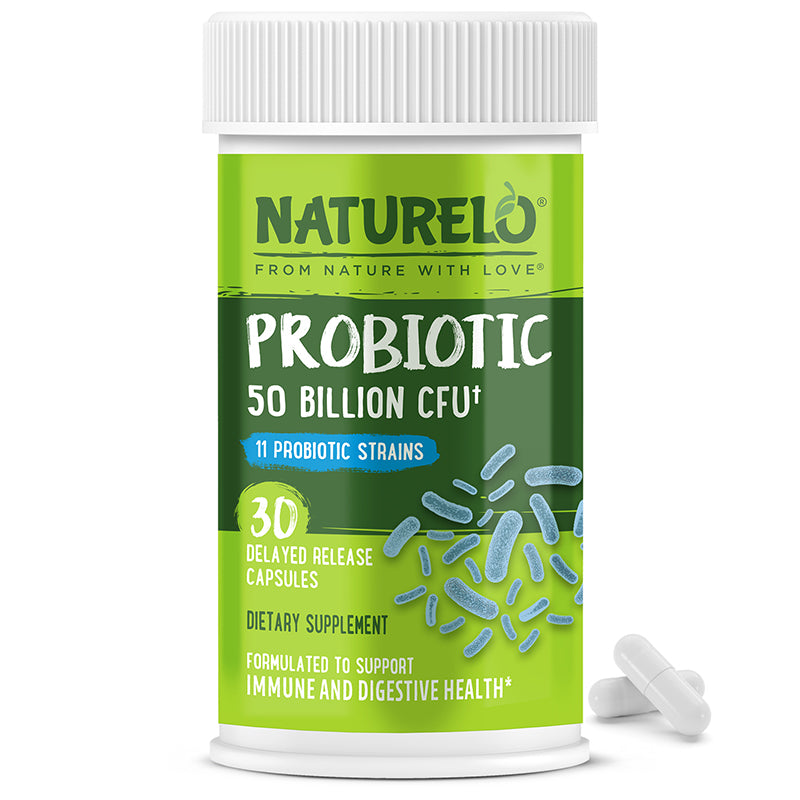
Two capsules list 50 billion CFU, including L. helveticus R0052 and B. longum R0175; a 350 mg ashwagandha-and-blueberry blend; and a 675 mg organic prebiotic fibre blend.
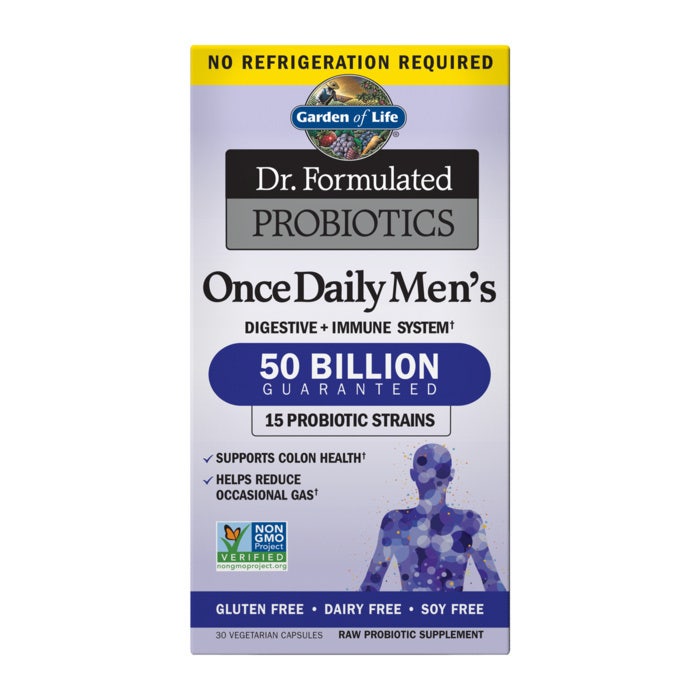
The label lists 50 billion CFU across 15 probiotic cultures per capsule, with a 365 mg organic prebiotic fibre blend. The product is labelled vegetarian and shelf-stable.
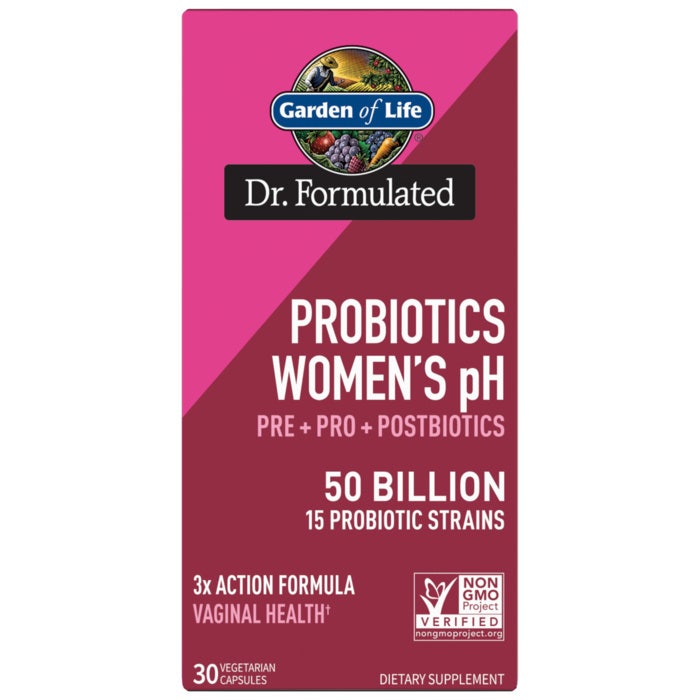
The one-capsule panel lists 50 billion CFU, a 220 mg prebiotic blend and a 50 mg postbiotic blend. Named strains include Lactobacillus acidophilus La-14 and Lactobacillus rhamnosus HN001.
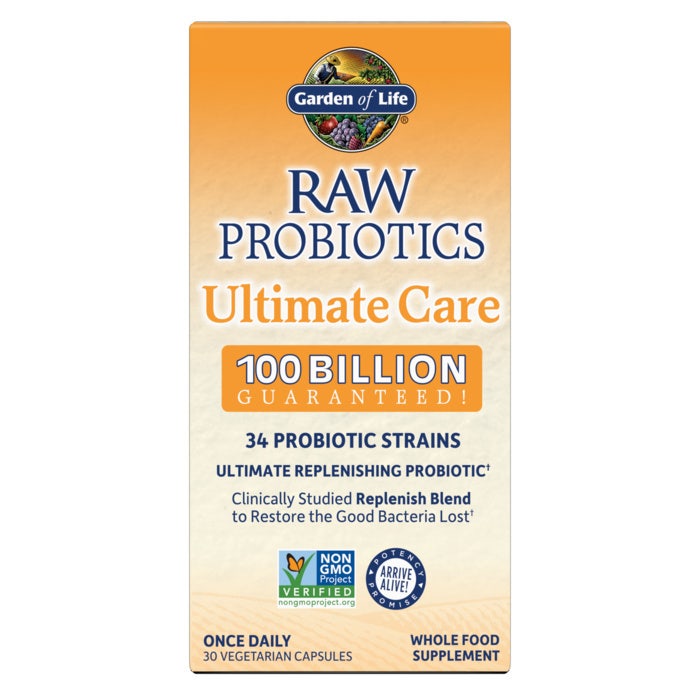
One capsule lists 100 billion CFU in a blend containing Bulgarian yogurt concentrate and an Eastern European wild kefir culture, plus a 50 mg protein-digesting enzyme blend and 45 mg fruit-and-vegetable blend.
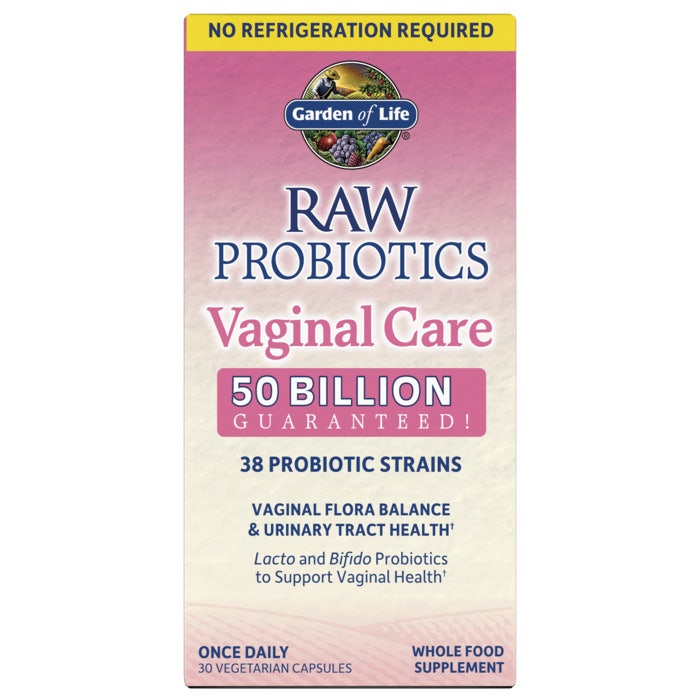
One capsule lists 50 billion CFU with Bulgarian yogurt concentrate and an Eastern European wild kefir culture. The panel also lists a 50 mg enzyme blend and a 45 mg fruit-and-vegetable blend.
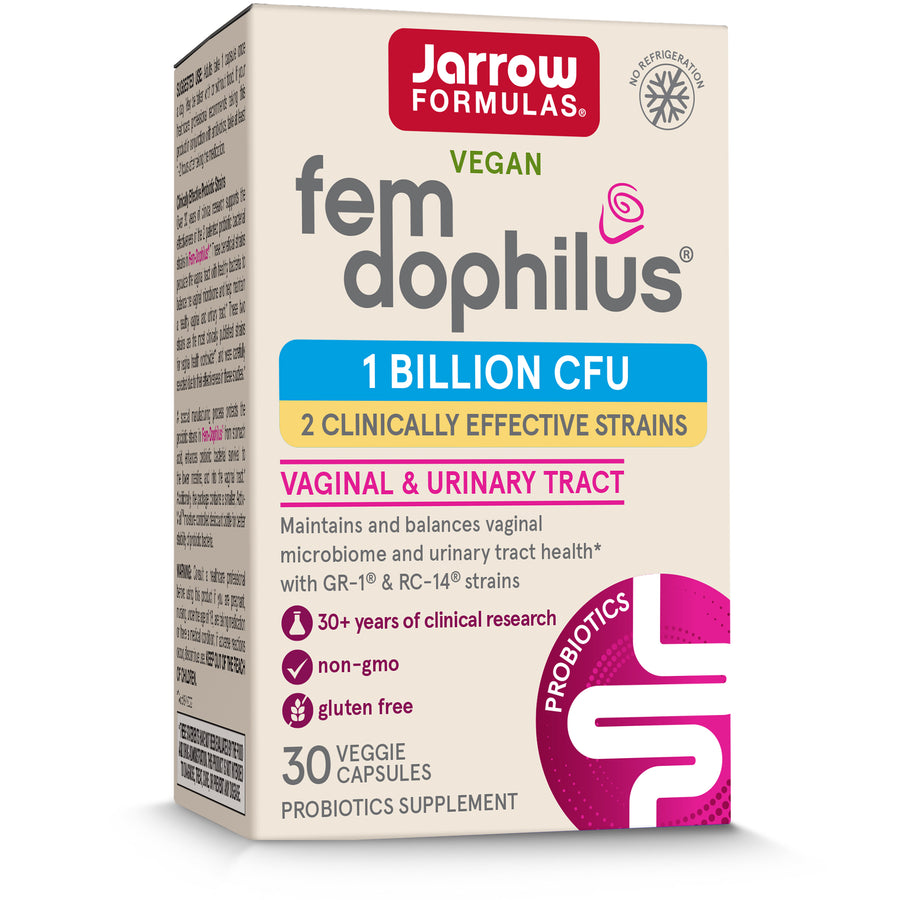
Each capsule lists a 155 mg probiotic blend with 1 billion CFU from L. rhamnosus GR-1 and L. reuteri RC-14. The minimum count applies within the best-before date under recommended storage conditions.
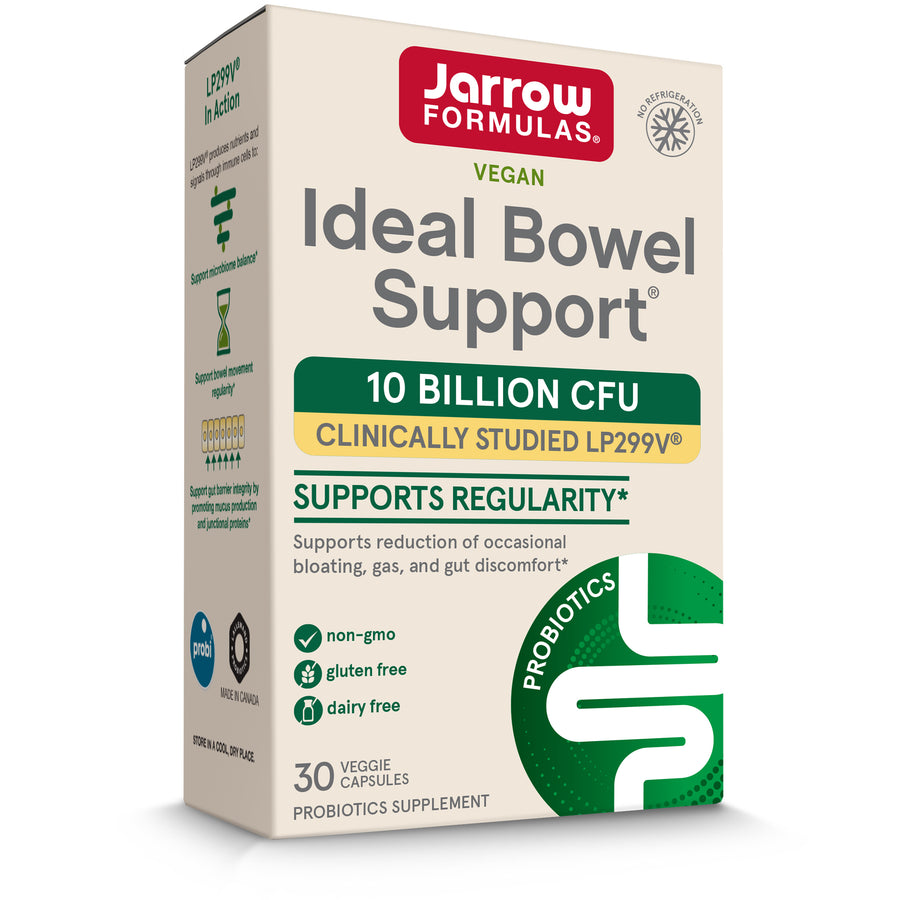
The label lists Lactiplantibacillus plantarum 299v, 10 billion CFU (43.5 mg) in each capsule. The specific strain is LP299V, not a generic multi-strain mixture.
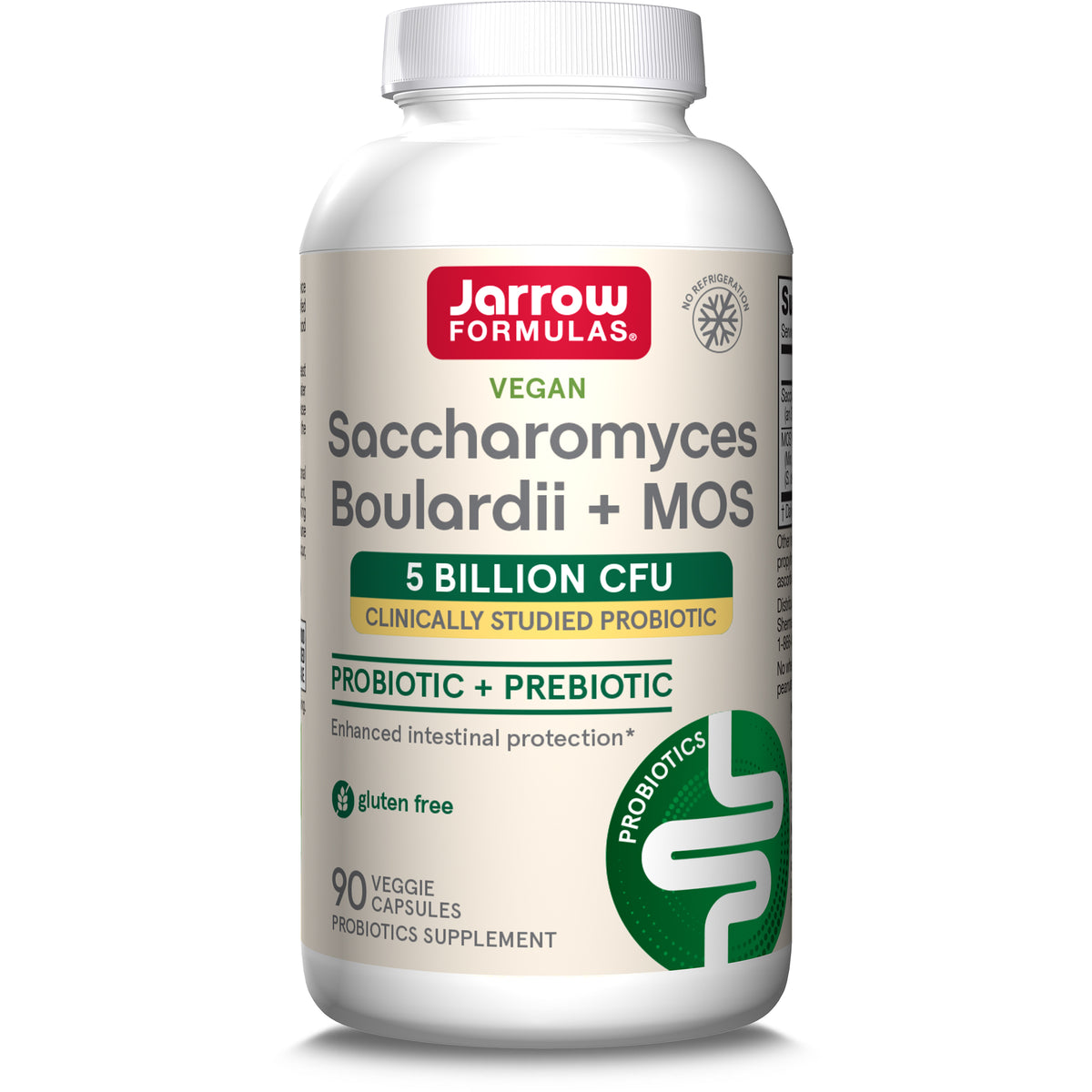
The label lists 250 mg Saccharomyces boulardii, providing 5 billion CFU, plus 200 mg MOS yeast fraction per capsule. Jarrow identifies this yeast-based formula as vegan.
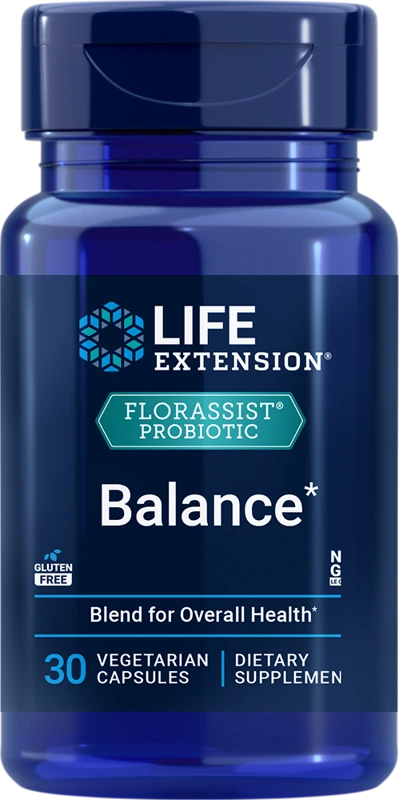
The current label lists a 50 mg probiotic blend with 15 billion CFU at manufacture: B. animalis ssp. lactis BLC1, B. breve Bbr8, L. plantarum 14D, L. paracasei IMC 502, L. rhamnosus IMC 501 and L. acidophilus LA1.
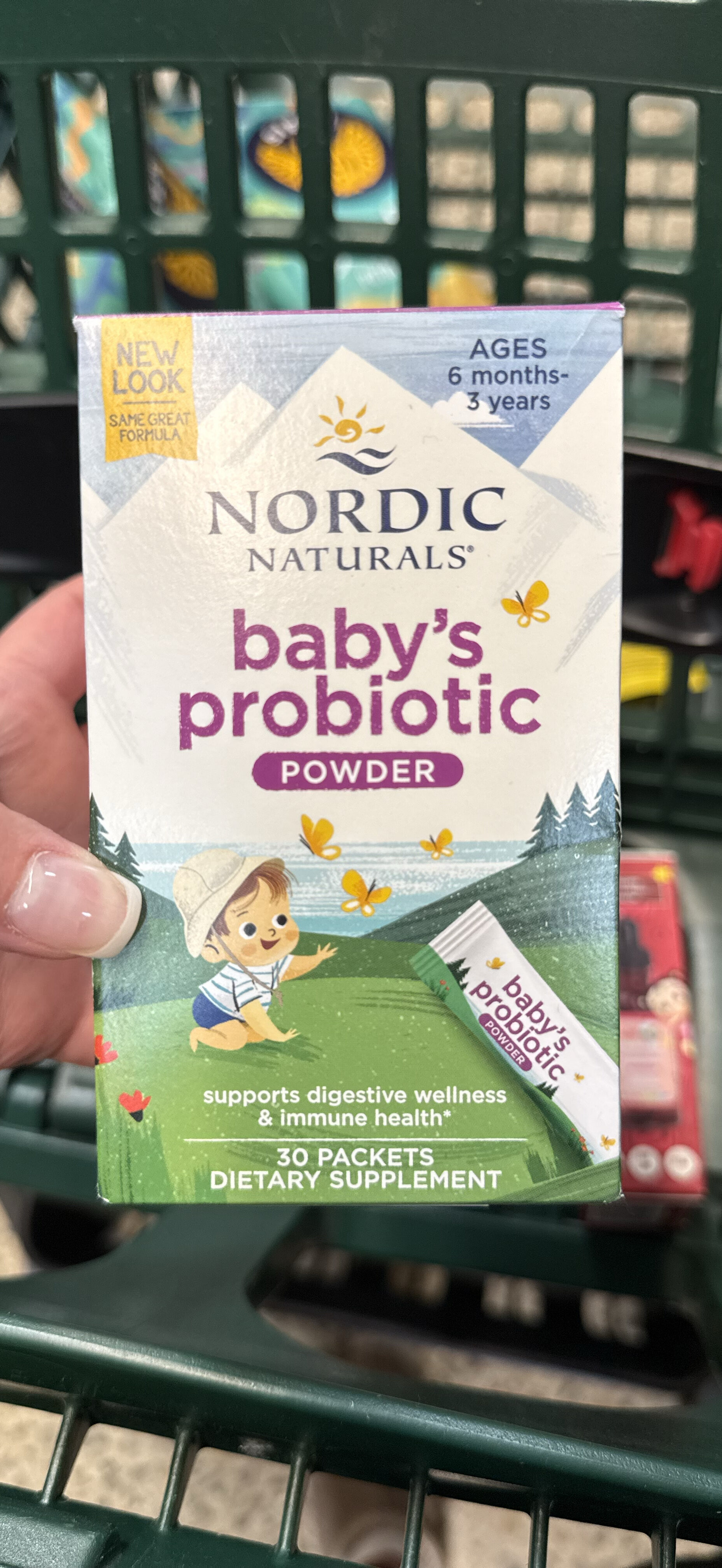
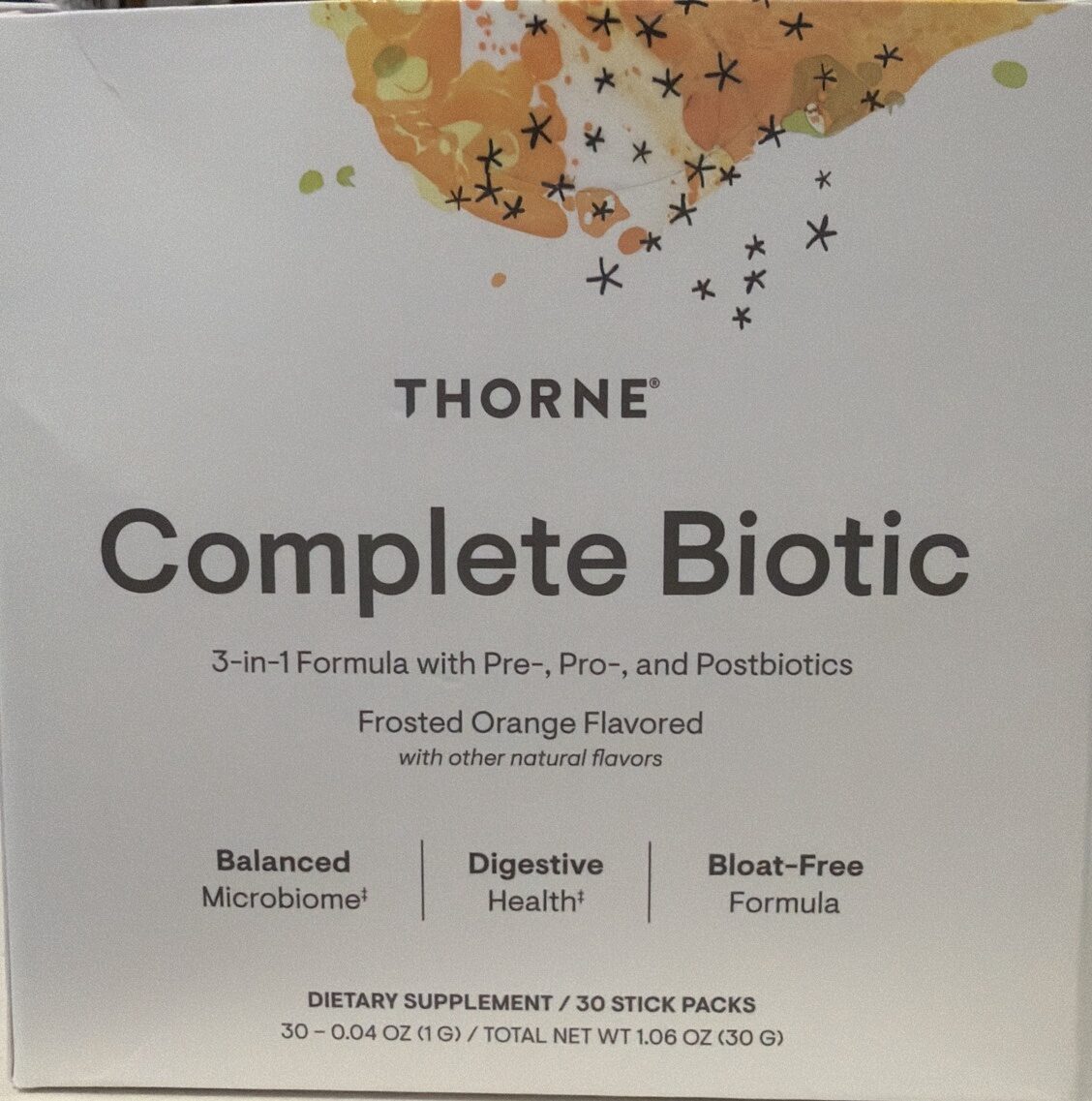
Per packet: 36 mg probiotic blend providing at least 4 billion CFU at manufacture; Lacticaseibacillus rhamnosus SP1 and Bifidobacterium animalis ssp lactis BLC1; 5 kcal and 1 g carbohydrate.
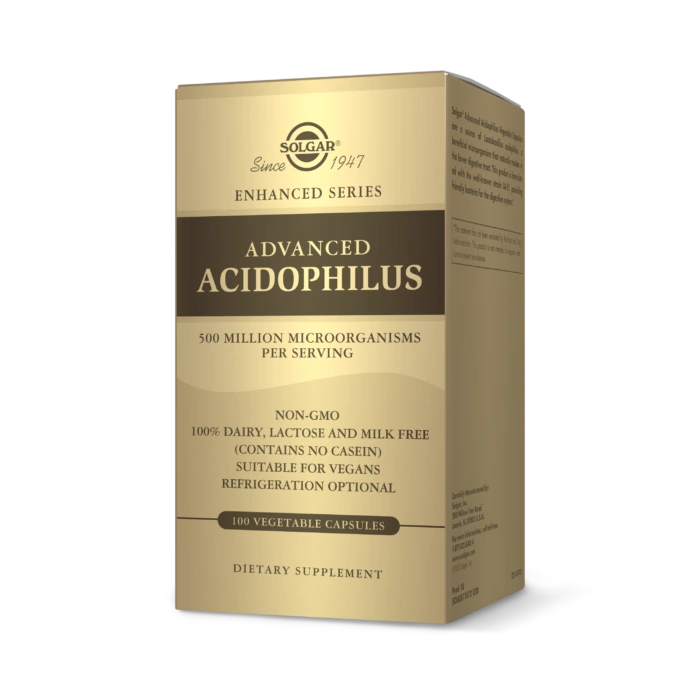
The official panel lists 500 million CFU of Lactobacillus acidophilus LA-5 in a 3 mg Advanced Acidophilus complex per capsule. The photographed pack contains 100 capsules.
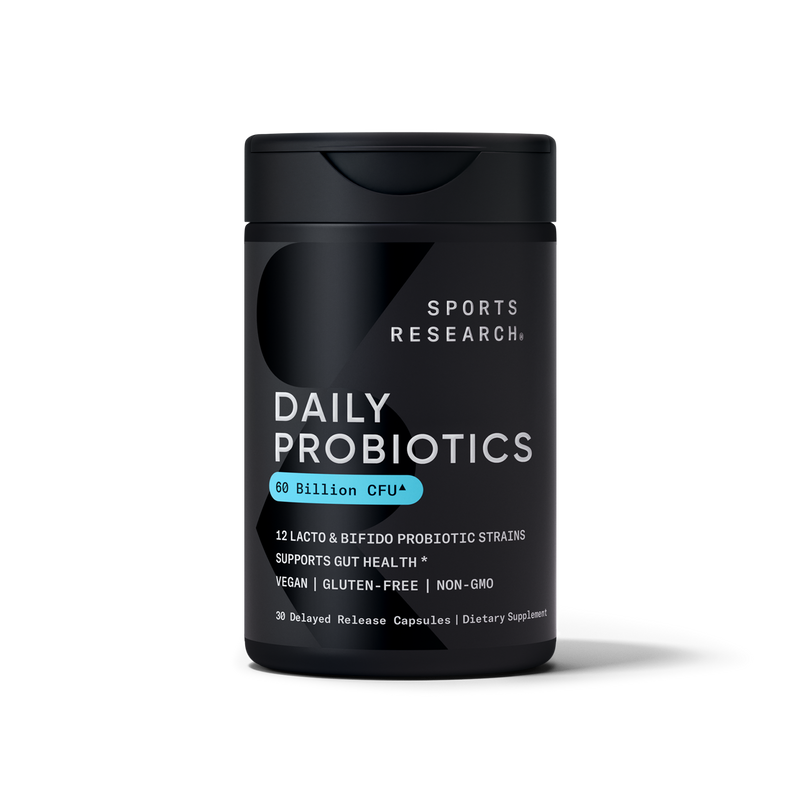
The manufacturer describes 12 Lacto and Bifidobacteria strains with 60 billion CFU and 60 mg inulin. It states that the CFU claim applies through expiry and that refrigeration is not required.
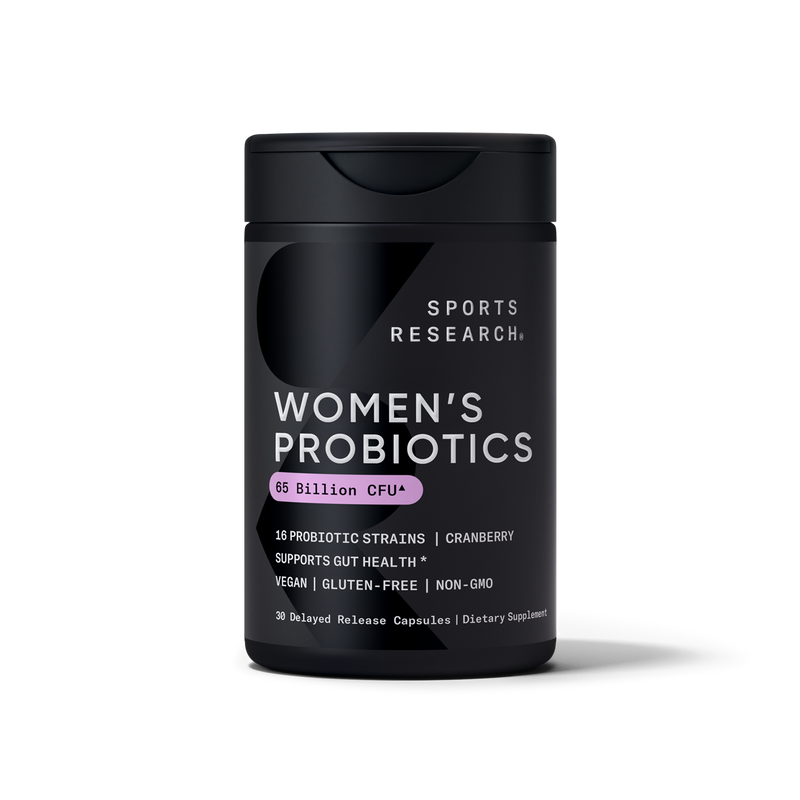
The manufacturer describes 16 Lacto and Bifidobacteria strains with 65 billion CFU, plus 60 mg cranberry powder and 60 mg inulin blend. It states the CFU amount is guaranteed through expiry.
Each capsule declares 10 billion CFU: ASTARTE blend 5 billion, UREX blend 2 billion, L. plantarum UALP-05 2 billion and L. acidophilus UALA-01 1 billion.
Products are arranged alphabetically by brand. Inclusion and ordering do not depend on an affiliate partnership. Check exact pack, seller and Indian delivery separately.